

The Long Walk Back to Denmark Street: A West End Journey
By Robert Neal Marshall
In 1984, at twenty-four, I arrived in London with an NYU film degree, a great deal of ambition, and very little idea of how much I was about to learn.
I had the rare opportunity to work with producer and top talent agent Richard Armitage at the Noel Gay Organisation, based at 24 Denmark Street, in the heart of London’s theatre and music community. It was an extraordinary place to begin a career. I wasn’t simply an outside observer; I was learning how commercial theatre actually worked: raising capital, tracking investors, managing distributions, interpreting contracts, working with advertising, and watching creative and financial decisions develop side by side.
One of the major projects underway was the revival of Me and My Girl, Richard Armitage’s loving tribute to his father, Noel Gay, who had written the music for the original 1939 production starring Lupino Lane. Assigned first to listen and learn, I programmed an early computer-based system to help with investor management, recoupments and office automation. I worked on the practical side of the production, including budgeting, general management, and saw the creative process up close.
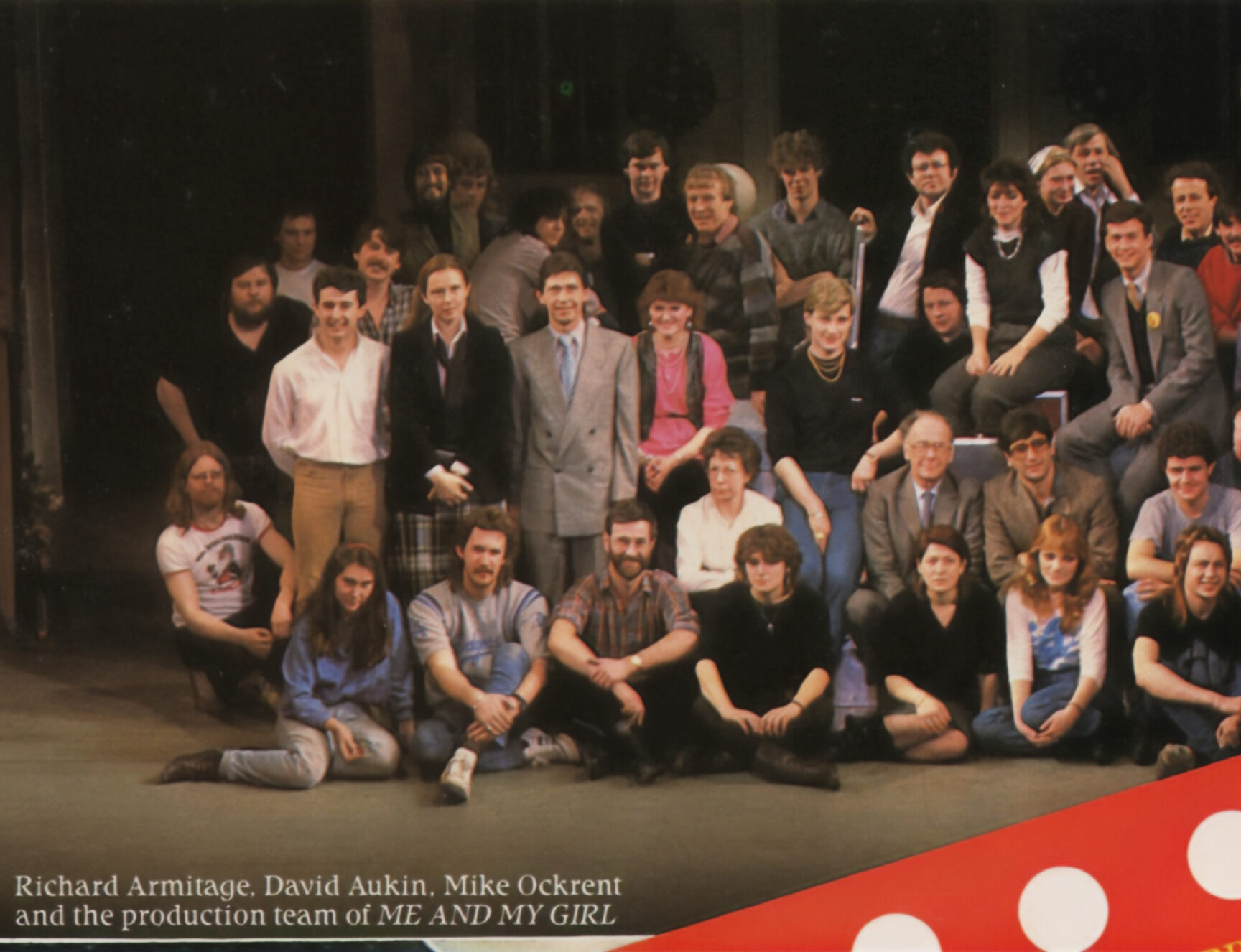

I remember travelling with associate David Cole, up to the Leicester Haymarket Theatre where a regional pre-West End production was in rehearsals. We arrived as the company was finishing a brilliantly energetic tap number “The Sun Has Got His Hat On.” I immediately recognized there was an unusual combination of material, talent, and creative style in that room. I said to David “If the rest of the show is anything like this, we are going to have a runaway hit.”
Me and My Girl went on to become a major West End success, transferring to the Adelphi Theatre, winning several Olivier Awards, including “Best Musical.” We eventually opened the show on Broadway at the new Marquis Theatre, winning multiple Tony Awards. For me, however, the lasting significance was not simply that I had been present as a successful musical was being created. I was part of the process, learning the business, and I wanted to do more.
Learning by Producing
Earlier in New York I had become enamored with a new musical I saw in a backer’s audition called Is There Life After High School? Its run on Broadway was short lived, but the harmonies were stunning and the story just needed some tweaking. I believed the material could work in London if presented on the right scale and with the right intimacy.
I acquired the rights, raised the budget independently, assembled a company, and brought the production to the Donmar Warehouse in July 1985. The company included young performers from productions including Me and My Girl, 42nd Street, and The Hired Man. Mark Hutchinson, Rosmarie Ford, Nelly Morrison, Nigel Garton, Geoff Steer, Alan Forrester, Lynn Kieran and Stephen Mann rounded out the cast along with the fabulous Caroline O’Connor, then early in her own career, who performed and also took on the choreography.
“I returned his original investment in full, together with a 20% net profit”
Richard Armitage had quietly invested in the production, but I had to raise the lion’s share of the production budget. He later told me that he regarded it partly as an education for his young American protégé. When the limited engagement concluded, I returned his original investment in full, together with a 20% net profit. RA confessed that he had expected to lose his entire investment instead of a positive return.
That experience stayed with me. A producer has to care about the work, but also about the people who finance it and the responsibility that comes with their trust.
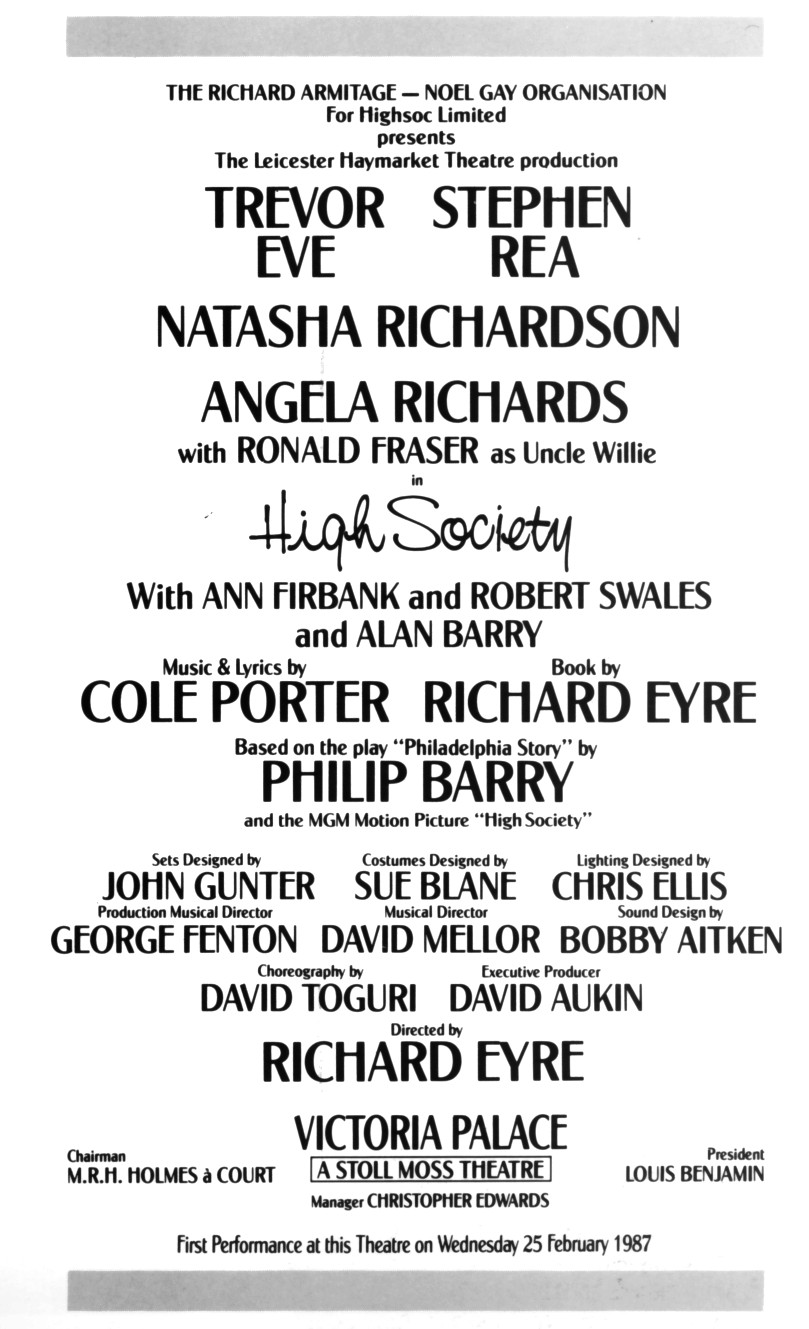
The following year, after several successful projects, while in production for High Society at the Victoria Palace with Richard Eyre at the helm and the late Natasha Richardson taking on the famous Grace Kelly role, my first London chapter came to an abrupt end when my mentor Richard Armitage died suddenly in November 1986 at the age of 58.
The trajectory of many lives changed. Without my mentor, I returned to the United States, but I did not leave the theatre behind.
The Next Chapter
Prior to leaving Britain, with RA’s support, I had already begun pursuing another stage musical. I was attempting to acquire the rights to Thoroughly Modern Millie, negotiating with agent Alan Whitehead at Music Theatre International who represented Millie author Richard Morris. We were exploring a potential creative team that included director Mike Ockrent and designer Martin Johns, with other members of the Me and My Girl creative community interested in the possibility.
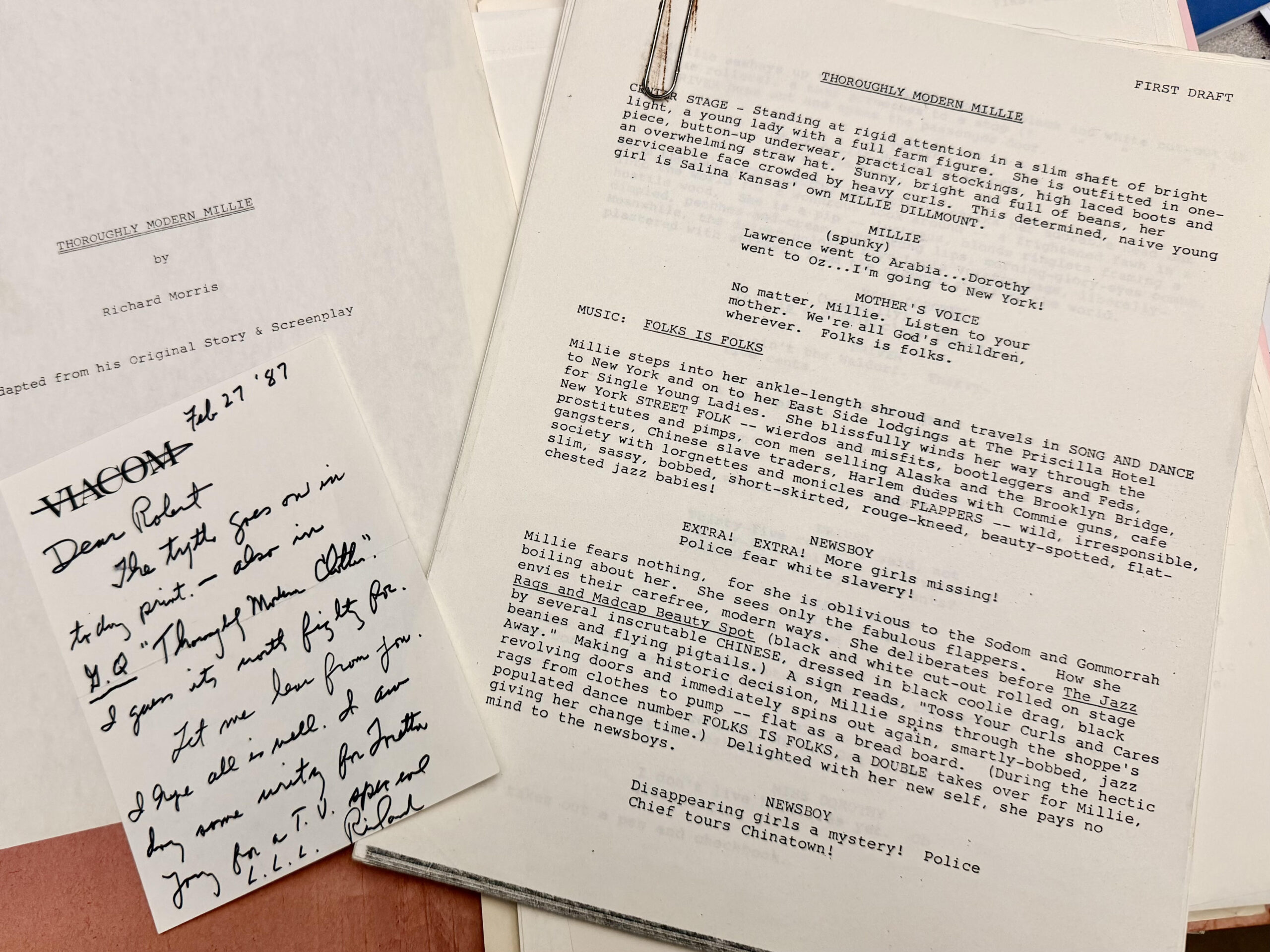
The rights ultimately did not come together at that time due to competing interests and complications, though the property went on to become a major Tony award winning stage success over a decade later. For me, the important lesson was earlier: I was already thinking about properties, rights, creative teams, and the process of adapting material from one medium form to another.
I also returned briefly to Me and My Girl, working on its U.S. national tour as it made its West Coast debut in San Francisco, Los Angeles, and San Diego, invited by Jenny Montefiore and David Cole. At the same time, living in LA, I began building an independent business in computer training and consulting, translating the technology and organizational skills I had developed in London in a new professional direction.
After the Rodney King unrest in Los Angeles, I moved back to the East Coast, settling in Maryland. My work increasingly returned to producing and directing.
I remounted Is There Life After High School? in Baltimore using an unconventional venue, the Winchester Comedy Club. The production received strong positive reviews, although developing an audience proved considerably more challenging than the reviews suggested, particularly in a town that favored baseball & sports more than theatre. That experience was another practical education in the difference between making a good production and creating the market conditions for that production to succeed.
“At the Lincoln Center Theater Directors’ Lab, I met composer Tim Battle”
Finding the Story Across Disciplines
Over the following decades, my work moved across theatre, film, documentary production, arts management, and professional communication.
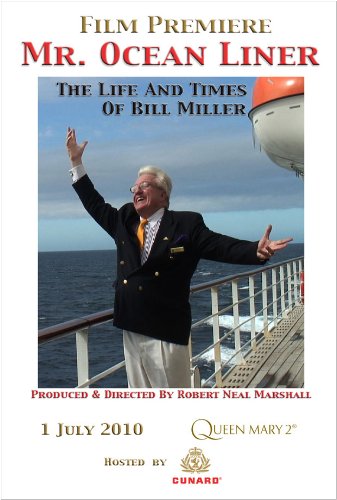
An early documentary project, Constellation Dreams, shared the restoration of a Lockheed Super-G Constellation propeller airliner from the 1950’s. This also became the basis for an illustrated book and one of several lecture subjects that led to a now seventeen-year relationship as a guest speaker for Cunard Insights enrichment programme. Maritime historian Bill Miller subsequently asked me to produce and direct Mr. Ocean Liner, a documentary about his life.
The film premiered aboard Queen Mary 2 and was later presented at Lincoln Center as part of a special program devoted to ocean liners on film. I later co-produced and directed Back From The Light, exploring the aftereffects of near-death experiences, which is now available on Amazon Prime along with Mr. Ocean Liner.
Stage work continued as well. I developed and produced readings and presentations for 41N 50W, a new play adapted from the U.S. Senate hearings following the sinking of the RMS Titanic, with workshops in New York, at the St. James Theatre in London, and a full production at the SeaCity Museum in Southampton.

Film and television brought another dimension to my production experience. As casting associate to casting director Pat Moran, CSA (Hairspray, The Wire) I was part of the Emmy® Award-winning casting team for HBO’s Game Change and the Emmy®-nominated team for Veep. Alongside screen work, I remained active in arts management and production, including serving as Executive Director of a regional arts festival and a film festival.
The work was not a straight line. Mine has been a career built project by project, with each discipline teaching me essential lessons about structure, audience connection, and practical execution.
The Evolution of Rumpelstiltskin’s Daughter
Through all those years, one project continuously evolved. The musical originally began through an important creative collaboration. As a participant at the Lincoln Center Theater Directors’ Lab, I met composer Tim Battle. Together, we acquired the stage rights to Diane Stanley‘s award winning illustrated book Rumpelstiltskin’s Daughter and launched its initial development with an early Equity workshop to secure rights, presented at the Boys Choir of Harlem.
First, the property came close to becoming an animated feature with Warner Bros., in collaboration with Gay & Bellamie Blackstone.
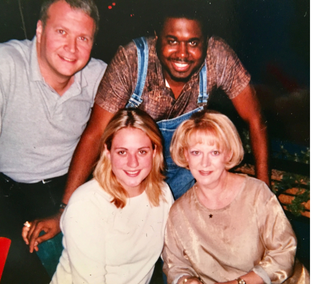
Photo: Robert Neal Marshall, Tim Battle, Bellamie Blackstone, Gay Blackstone.
Though that deal did not finalize, the project never stopped growing. From there, the project took several developmental paths. Following a large regional production in Maryland, I was introduced to Louise Chantal at the Assembly Rooms at the esteemed Edinburgh Festival where I produced and directed a pared down version of the larger production to critical acclaim.
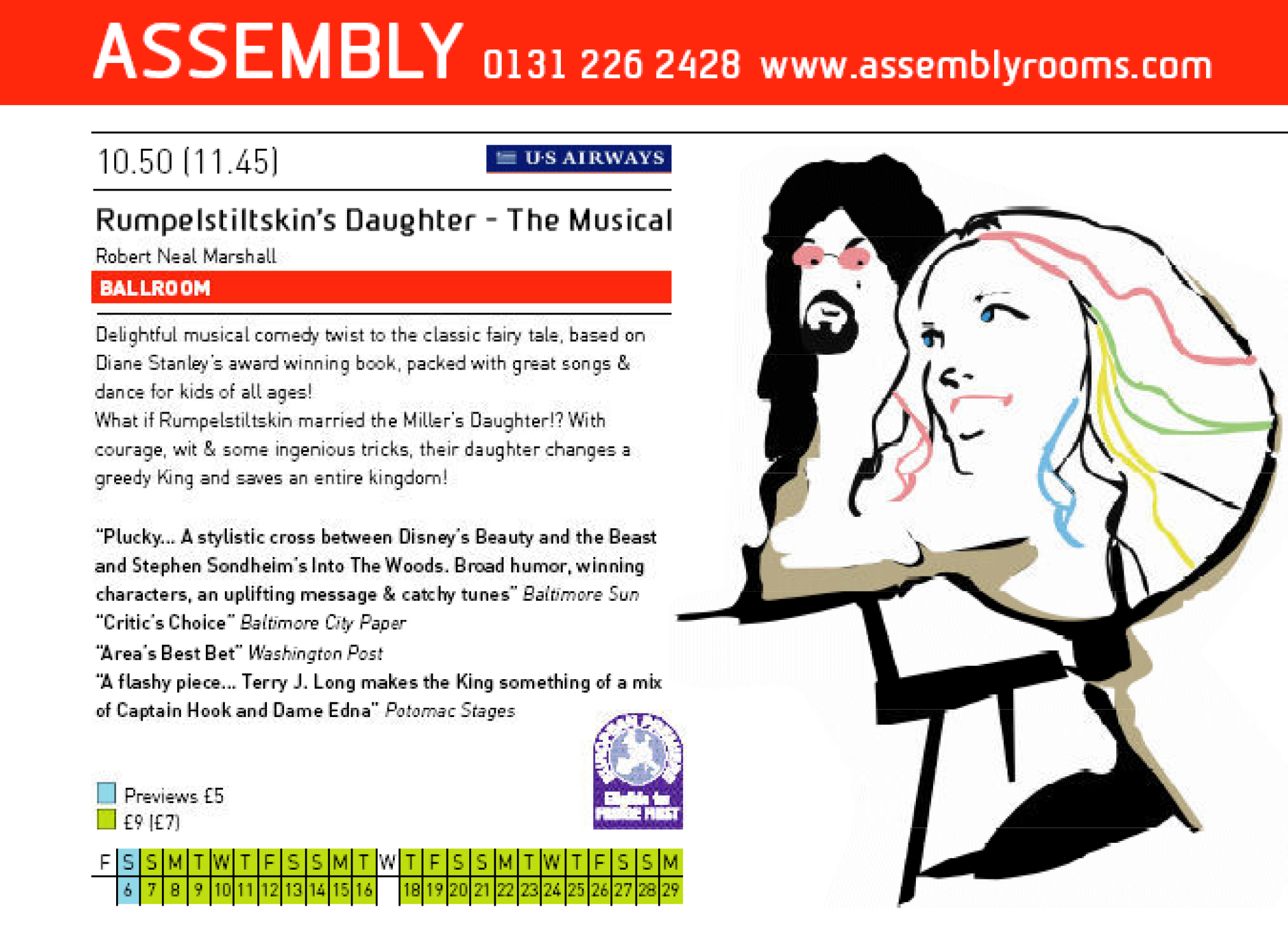
“Development of Rumpelstiltskin’s Daughter took another unexpected turn during COVID.”
While live theatre was paused when COVID hit, I re-approached the material by writing a full musical screenplay. While much of the theatrical world had effectively stopped, I found myself looking at the project differently. I began imagining Rumpelstiltskin’s Daughter not as a stage musical, but living with endless options unconstrained by a stage procenium and theatrical mechanics. The story could move anywhere imagination allowed.
I expanded the plot, characters, situations and locations, taking full advantage of the freedom film could make possible.
At one point, I reached out to agent Christian Hodell, hoping that an old professional connection with Me and My Girl might make it possible for Emma Thompson to read the screenplay. I had been thinking of her for the role of the Queen Mother. Christian responded promptly and graciously, explaining that Emma was working on her own musical project at the time.
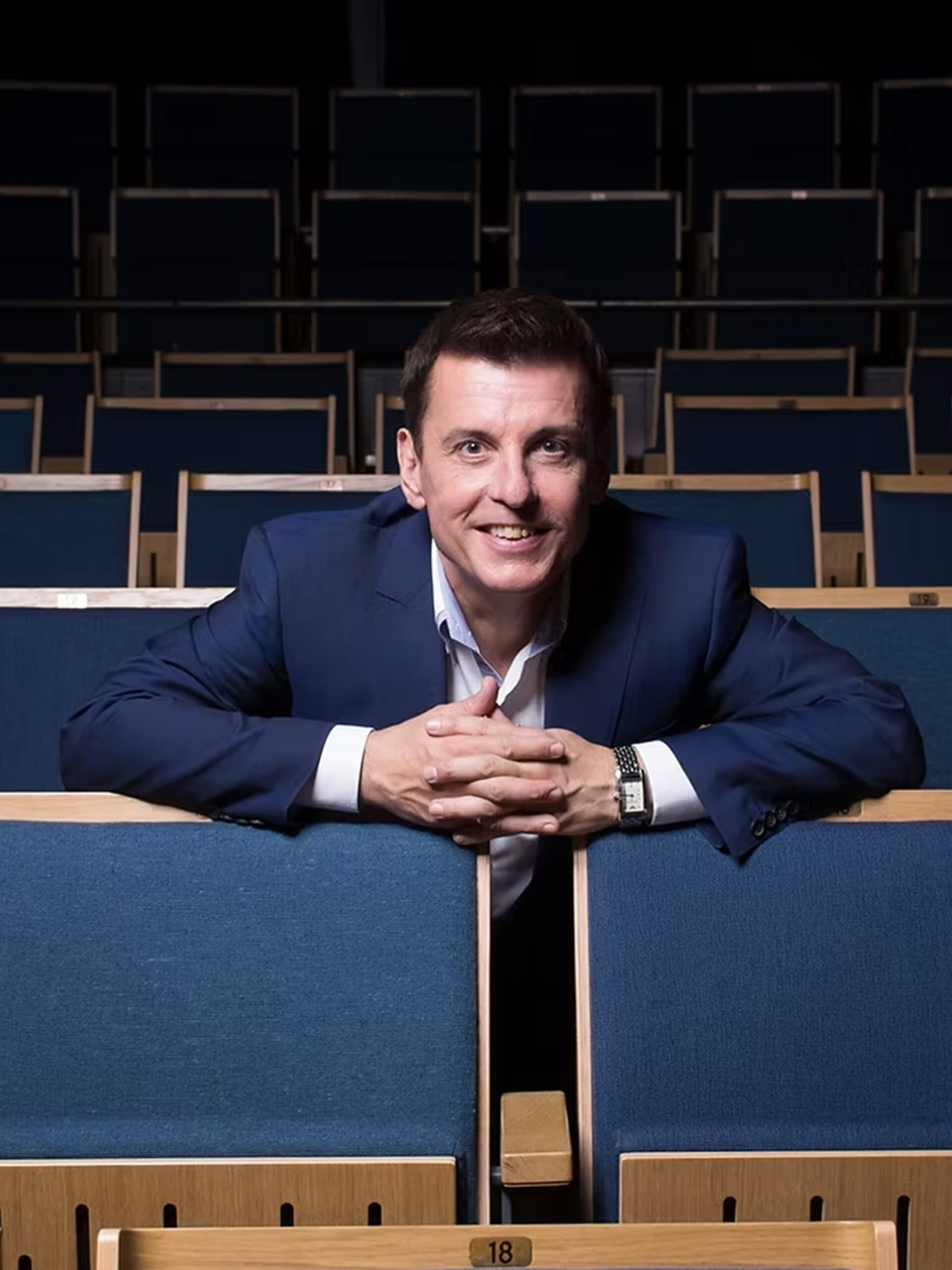
Olivier Award Winning Choreographer/Director Bill Deamer
Photo by: Darren Bell, courtesy of Bill Deamer
I shared the concept with Olivier Award-winning choreographer and director Bill Deamer (Top Hat, Hello, Dolly!, Follies) in London, who asked to read the screenplay. His reaction was immediate and enthusiastic. He responded to the strength and independence of the central female character, who is not an ingénue waiting to marry a prince, but a confident leader in her own right. The story is about empathy and the courage to transform a kingdom. She could change a King obsessed with gold and power, giving the story a contemporary resonance.
I asked Bill whether he would be interested in directing and choreographing the film, if I could get it off the ground. He loved the story, however suggested we first adapt the screenplay back into a stage musical as a film could always follow. The screenplay nevertheless proved valuable.
That conversation effectively changed the next stage of the project’s development.
The result was not simply a return to an earlier version of Rumpelstiltskin’s Daughter. The screenplay had given me a chance to rethink the world of the story, and the subsequent stage adaptation became a substantially stronger version of the musical.
The process has also required patience. Bill’s career continues to keep him extraordinarily busy, with major commitments including Strictly Come Dancing, concert and international productions, and new theatrical work. Our development has therefore evolved around both creative work and practical availability.
But the important thing is that the project has continued to move. The musical that exists today carries the history of all those earlier versions: the original work with Tim Battle and Diane Stanley’s book, the early workshop development, the film possibilities, the Edinburgh production, and then the unexpected opportunity during COVID to approach the story as a screenplay before bringing what I learned back to the stage.
The music has continued to evolve as well. Tim Battle passed away unexpectedly several years ago, but his fundamental role in the show’s origin remains central. Later, I met Brian Pamphilon, an Australian composer/performer who wrote a powerful new song that inspired a more contemporary musical language for the show. This sparked fresh demo recordings, and our next phase involves bringing on a Music Director and Arranger to unify the score into a cohesive, modern identity. In a sense, the detour through film was not a departure from the musical; it was part of how the musical became what it is now.
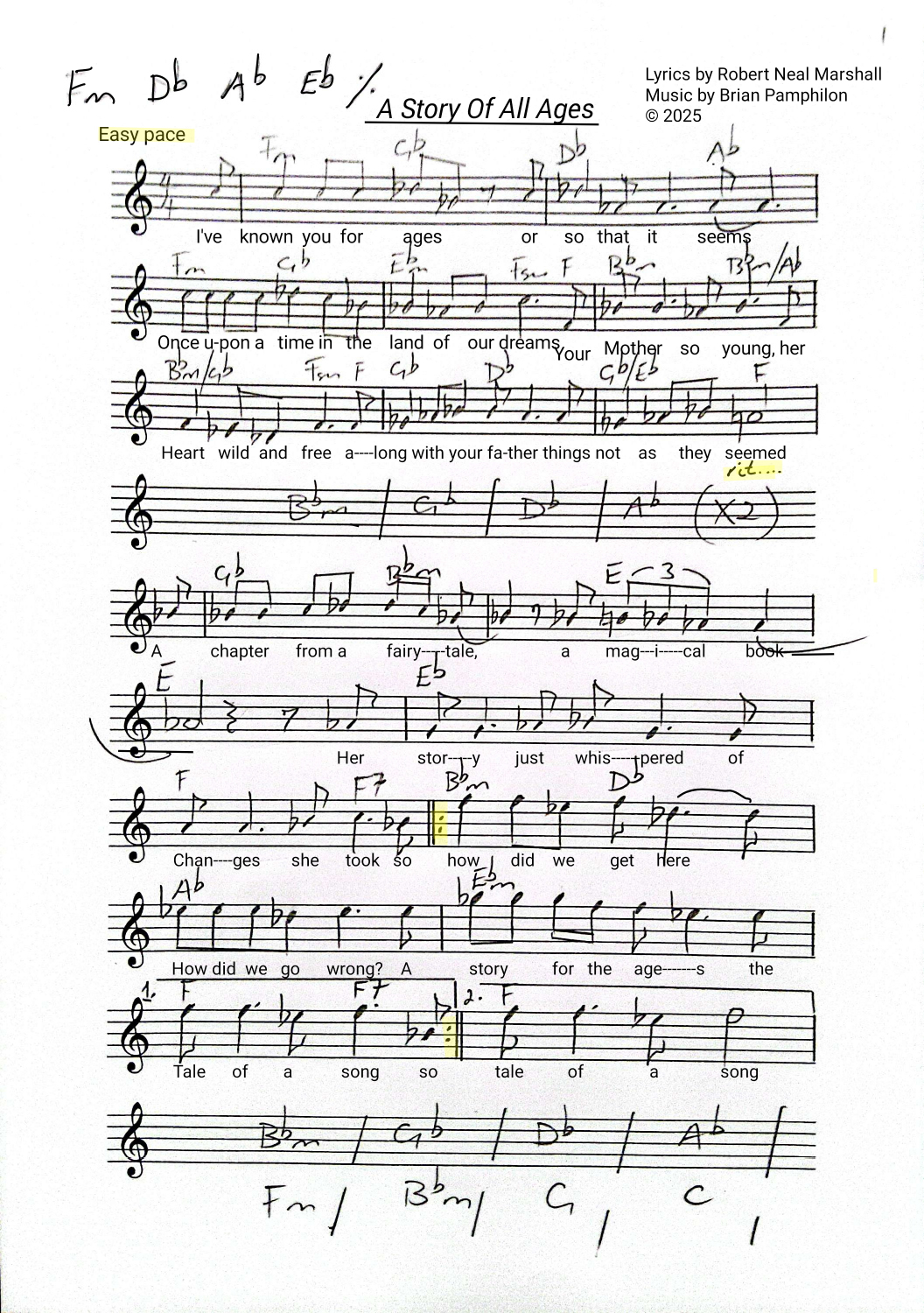
“The project is entering another stage … with Olivier Award-winning choreographer and director Bill Deamer”
Coming Full Circle
The model I learned from Me and My Girl was developmental, from a regional partnership and out of town “try out” to moving into the West End. Creative partners were brought together. It found an audience. It grew.
I saw how a show could be refined, how creative partners could be brought together, how material could be tested with an audience, and how a project could be built step by step.”
This is the path appropriate for Rumpelstiltskin’s Daughter.
We have an original musical, and original musicals need room to develop. They need audiences to test them, creative collaborators to challenge them, producers who understand the practical realities, and investors who understand that development is a process rather than a single event.
Today, the project is entering another stage of that process with Bill Deamer now leading the UK development. Longstanding relationships from my first London chapter remain vital parts of this journey.
The relationships matter, including UK Associate Producer Jenny Montefiore and Caroline O’Connor, whose connection to the project and encouragement reaches back many years.
But ultimately, the work has to stand on its own. A musical still has to earn its audience.
A production still has to make financial sense. And an original show still has to prove itself one step at a time.
So now I am returning to London. No longer the young assistant who stepped onto Denmark Street to learn how commercial theatre worked, but as a producer and writer with four decades of experience across theatre, film, television, documentary production, arts management, and corporate communications.
I am walking back into the West End with a much longer perspective on the business, a broader network of experience, associates, and an original musical developed with the care it deserves. And now it is entering another stage of its development
I recently visited 24 Denmark Street. The office is long gone, as is the guitar shop that eventually took over the ground floor of the building. And although Richard Armitage and many others are no longer here in person, the memories remain, as do the lessons I learned there.
The path has been there all along.
© 2026 All Rights Reserved
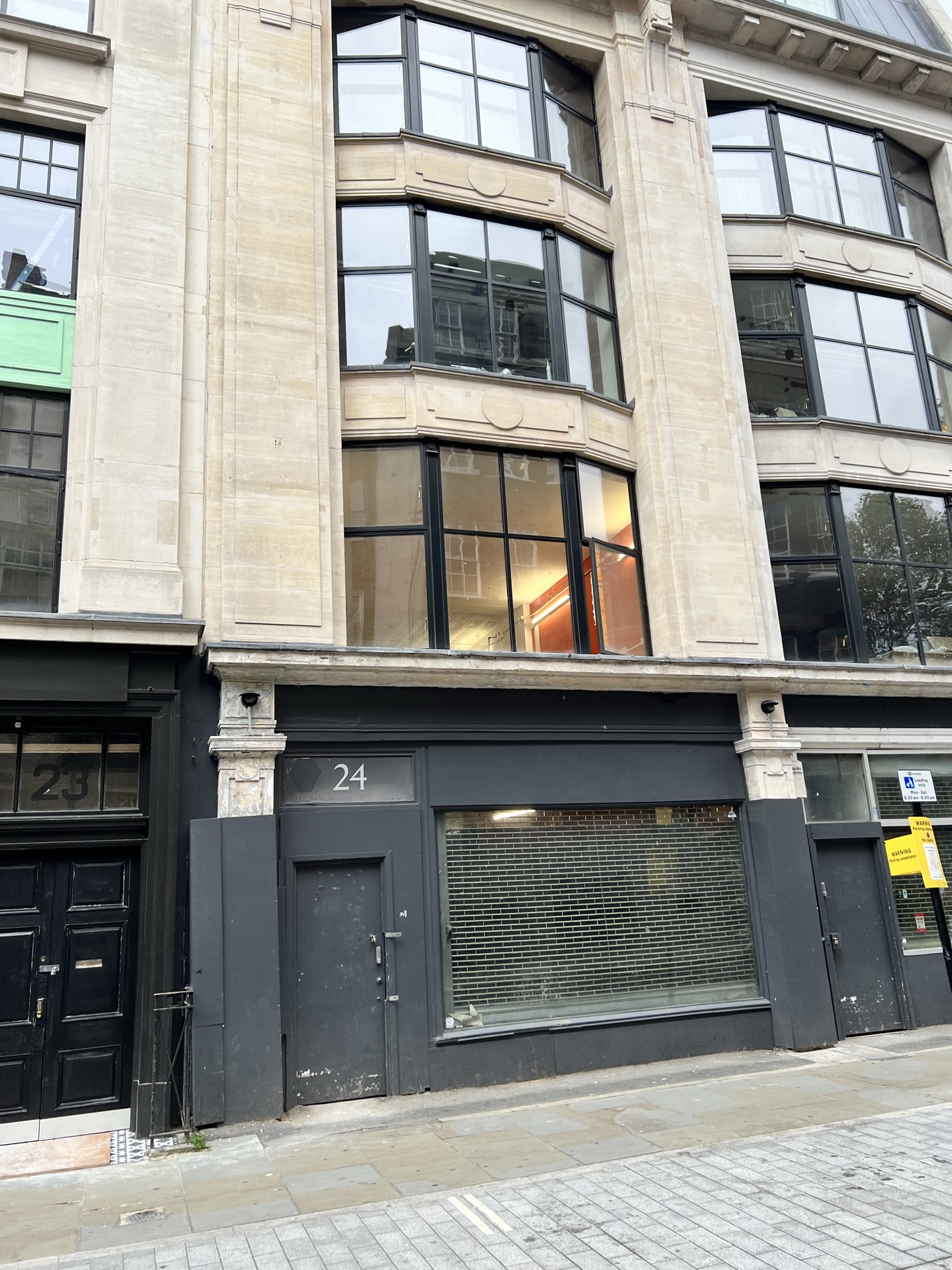
24 Denmark Street, WC2 – Former home of the Noel Gay Organisation